
Business
Drivers may get compensation offers before car finance saga ends
By Katherine Langford
Advertisement · Why this ad?
Katherine oversees editorial operations across all six brands. Before joining The Meridan Group, she spent 14 years at the Minneapolis Star Tribune, where she led the metro desk through its digital transformation. She holds a Master's in Journalism from Northwestern's Medill School.
More from Katherine →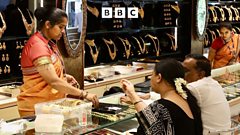
As the sun rises over the bustling streets of Delhi, the soft clinking of gold bangles fills the air, a sound that signifies both wealth and tradition. For many in India, gold is more than just a precious metal; it is a symbol of family heritage, cultural identity, and financial security. Yet, the journey of gold from the depths of the earth to the hands of a jeweller is a complex narrative that intertwines with global markets, ethical sourcing, and local economies. Understanding this supply chain is crucial not only for consumers but also for the communities that rely on it.
The journey of gold begins in the mines, often located in remote regions where the earth conceals its treasures. Countries like Australia, China, and South Africa dominate the mining landscape, with operations that extract millions of ounces annually. For instance, in 2020, global gold mine production was approximately 3,000 metric tons, according to the U.S. Geological Survey. The extraction process is labor-intensive and can have significant environmental impacts, raising questions about sustainability and ethical practices.
Once mined, gold undergoes refinement to remove impurities, a process that can take place in various countries. The refined gold is then sold to traders and manufacturers who play a pivotal role in the supply chain. In India, a significant amount of gold is imported, with the country being one of the largest consumers of the metal. In 2021 alone, India imported over 800 tons of gold, a clear indicator of the demand that drives this intricate system.
In the heart of Delhi, local jewellers transform raw gold into exquisite pieces that reflect cultural artistry and craftsmanship. According to the Gem & Jewellery Export Promotion Council, the Indian jewellery market is expected to reach $100 billion by 2025. This growth is fueled by a combination of traditional practices and modern marketing strategies that appeal to a younger, more global audience.
Jewellers not only create beautiful adornments but also serve as important cultural custodians. Many families pass down jewellery through generations, making these pieces a vital part of personal and familial identity. The emotional significance attached to gold jewellery in India cannot be overstated; it often marks significant life events such as weddings and births. In a country where weddings can be lavish affairs, gold jewellery plays a central role in the ceremonies, often symbolizing the wealth and status of the families involved.
A prominent Delhi jeweller, Rajesh Kumar, explains, "Gold is not just a commodity; it’s a part of our culture. Every piece tells a story, from the intricate designs to the occasions they celebrate. We have clients who come back to us for generations, seeking to create new memories with gold." His family has been in the jewellery business for over three decades, emphasizing the deep-rooted connection between gold and Indian heritage.
As consumers become increasingly aware of the implications of their purchases, ethical sourcing of gold has gained prominence. Issues such as child labor, unsafe working conditions, and environmental degradation in mining regions have sparked a global conversation about responsible consumption. The Responsible Jewellery Council has established standards that aim to ensure ethical practices throughout the gold supply chain.
In response to growing consumer demand for transparency, many jewellers are now adopting sustainable practices. This includes sourcing gold from mines that adhere to ethical standards and utilizing recycled gold in their creations. By choosing to support jewellers who prioritize ethical sourcing, consumers can play a role in fostering a more responsible gold market.
Local initiatives are also emerging, such as the 'Gold for Good' program, which encourages jewellers in Delhi to source gold from certified ethical suppliers. This initiative not only promotes responsible mining practices but also aims to educate consumers on the importance of ethical sourcing. Local jeweller Anjali Mehta, who has embraced this initiative, states, "We want our customers to feel good about their purchases. Knowing that their gold is sourced ethically adds value to the pieces we create. It’s about building trust with our clients and ensuring a better future for mining communities."
The impact of the gold supply chain extends beyond the jewellers and consumers; it influences entire communities. In regions where gold mining occurs, local economies often depend on the industry for jobs and income. However, the benefits are not always equitably distributed. Many mining communities face challenges such as inadequate infrastructure, limited access to education, and health risks associated with mining activities.
Efforts to improve conditions in these communities are underway. Organizations like Oxfam are working to promote fair trade practices and ensure that mining communities receive a fair share of the profits generated by their resources. Such initiatives aim to empower local populations and create a more sustainable future for those involved in the gold supply chain.
Moreover, the local government has also started to engage with communities to improve their living conditions. Programs aimed at building schools and healthcare facilities in mining areas are gaining traction. Community leader Ravi Singh notes, "We need to ensure that the wealth generated from our resources benefits everyone. It’s not just about the gold; it’s about the people who live in these areas and their future." This holistic approach to community development is critical in addressing the disparities created by the gold mining industry.
Looking ahead, the demand for gold is expected to continue growing, particularly in emerging markets. As the global economy evolves, so too will the dynamics of gold consumption. The rise of digital currencies and alternative investments may influence how individuals view gold as an asset. However, for many cultures, particularly in India, gold remains a timeless symbol of wealth and status.
In response to changing consumer preferences, the gold industry is adapting by exploring innovative designs and marketing strategies. The integration of technology, such as blockchain, aims to enhance transparency in the supply chain, allowing consumers to trace the origins of their gold purchases. This shift towards greater accountability is essential for building trust and ensuring the long-term viability of the gold market.
Furthermore, the rise of social media and online platforms is reshaping how consumers engage with gold. Younger generations are increasingly looking for unique, personalized pieces that tell a story, leading to a surge in demand for custom jewellery. As jewellers adapt to these trends, they are also finding ways to incorporate ethical practices, ensuring that the future of gold consumption aligns with the values of a new generation.
The journey of gold from the mine to a Delhi jeweller encapsulates a complex interplay of cultural significance, economic impact, and ethical considerations. As consumers, making informed choices about gold purchases is crucial in shaping the future of this industry. By supporting local jewellers who prioritize ethical sourcing and sustainability, individuals can contribute to a more equitable gold supply chain.
As we navigate the intricate web of global commerce, let us remember the human stories behind the gold we wear. Each piece carries with it the hopes, dreams, and labor of countless individuals. In a world where choices matter, let us choose wisely.
By Katherine Langford

By Katherine Langford

By Marcus Chen

By Marcus Chen