
Business
September Fed Rate Hike Was a Mistake, Miran Says
By Marcus Chen
Advertisement · Why this ad?
Katherine oversees editorial operations across all six brands. Before joining The Meridan Group, she spent 14 years at the Minneapolis Star Tribune, where she led the metro desk through its digital transformation. She holds a Master's in Journalism from Northwestern's Medill School.
More from Katherine →
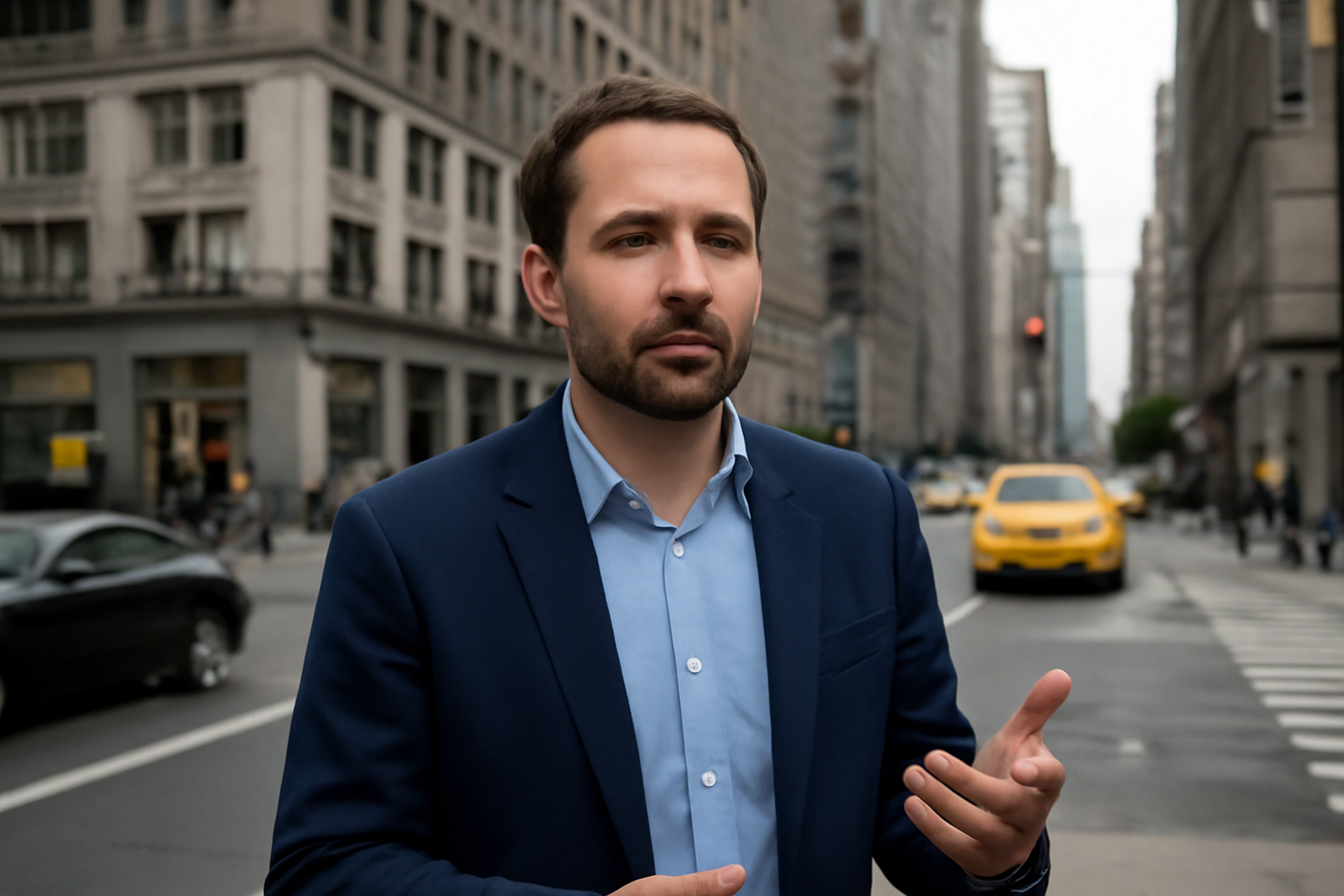
On a crisp autumn morning in New York City, Dayanne Sousa, a dedicated environmental activist, stands outside a bustling café, her voice rising above the chatter of passersby. Armed with a stack of flyers, she speaks passionately about the urgent need to address deforestation linked to major corporations like JBS and their financial backers. Her mission is clear: to raise awareness about the environmental impact of these entities and to mobilize support for sustainable practices.
In recent weeks, JBS, one of the world's largest meat processing companies, along with several major banks, has come under fire in Europe for their alleged connections to deforestation in the Amazon rainforest. These complaints have sparked significant discussions across various platforms, highlighting the broader implications of corporate practices on global environmental health. Activists argue that these corporations are contributing to the destruction of vital ecosystems, which not only affects wildlife but also has dire consequences for climate change.
The complaints, lodged by a coalition of environmental organizations, accuse JBS and its financial partners of failing to uphold their commitments to sustainable sourcing. The allegations suggest that despite public promises to reduce their environmental footprint, these companies continue to engage in practices that contribute to habitat loss and biodiversity decline.
The Amazon rainforest, often referred to as the "lungs of the Earth," plays a crucial role in regulating the planet's climate. Deforestation in this region not only releases significant amounts of carbon dioxide into the atmosphere but also disrupts local communities that depend on the forest for their livelihoods. The situation has intensified as reports indicate that deforestation rates have surged in recent years, prompting urgent calls for accountability from corporations like JBS.
In response to these concerns, European regulators are beginning to take a closer look at the supply chains of companies operating within their borders. The scrutiny reflects a growing recognition of the interconnectedness of global commerce and environmental stewardship. As consumers become more aware of the impacts of their purchasing decisions, companies are increasingly held accountable for their sourcing practices.
The implications of these complaints extend beyond the corporate boardrooms and into the communities directly affected by deforestation. In Brazil, indigenous populations and local farmers are witnessing the devastating effects of land clearing for cattle ranching and soy production. Many families rely on the forest not only for food and shelter but also for cultural identity and spiritual practices.
Activists like Sousa emphasize that the fight against deforestation is not solely an environmental issue; it is also a matter of social justice. By standing up against corporations that prioritize profit over people and planet, they aim to protect the rights and livelihoods of those most vulnerable to the consequences of environmental degradation.
One local farmer, Maria da Silva, shared her story of how deforestation has impacted her family's land. "We used to have a thriving ecosystem around us, with diverse crops and wildlife. Now, much of it is gone, replaced by barren land for cattle. It's not just the trees that are lost; it's our way of life," she lamented. Stories like Maria's highlight the human cost of corporate greed and the urgent need for change.
Calls for greater transparency in corporate practices have become a rallying cry among environmental advocates. They demand that companies like JBS and their financial partners disclose more information about their sourcing and supply chain practices. The expectation is that increased transparency will lead to more responsible decision-making and a commitment to sustainable development.
In recent years, some companies have made strides toward adopting more sustainable practices. However, critics argue that these efforts often fall short of the comprehensive changes needed to address the scale of the environmental crisis. As the pressure mounts, it remains to be seen how JBS and its financial supporters will respond to these allegations and what steps they will take to align their practices with the growing demand for sustainability.
Moreover, the role of the financial sector in this crisis cannot be overlooked. Banks that finance JBS and similar corporations are complicit in the destruction of the Amazon. Activists are now targeting these financial institutions, urging them to adopt stricter environmental policies and divest from companies that contribute to deforestation. As Sousa pointed out, "It’s not just about changing the practices of one company; we need to hold the entire financial system accountable for its role in perpetuating environmental harm."
Looking ahead, the future of JBS and its banking partners hinges on their ability to adapt to changing consumer expectations and regulatory environments. As Europe tightens its regulations on environmental practices, companies that fail to comply may face significant repercussions, including financial penalties and reputational damage.
Furthermore, the increasing awareness of environmental issues among consumers means that businesses must prioritize sustainability to remain competitive. As activists like Sousa continue to raise awareness and mobilize communities, the pressure on corporations to change their practices will only grow.
In conclusion, the complaints against JBS and its banking partners represent a critical moment in the ongoing struggle for environmental justice. By holding these corporations accountable, advocates aim to protect not only the Amazon rainforest but also the rights and livelihoods of those who depend on it. As the conversation around corporate responsibility evolves, it is essential for all stakeholders to engage in meaningful dialogue and action to foster a more sustainable future.
The global response to these complaints has been amplified by the interconnected nature of activism today. Digital platforms allow activists from different regions to collaborate and share strategies, creating a unified front against corporate malfeasance. Sousa, along with other activists, has utilized social media to rally support, demonstrating how technology can be a powerful tool for environmental advocacy.
International coalitions have formed, bringing together environmental groups, local communities, and even celebrities to amplify their message. These collaborations not only increase visibility but also create a sense of urgency around the issue. As more people become engaged, the collective pressure on corporations like JBS and their banking partners will only intensify.
As activists continue to push for change, the importance of community engagement cannot be overstated. Local voices must be at the forefront of this movement, ensuring that the needs and rights of those directly affected by deforestation are prioritized. By fostering a sense of solidarity among diverse groups, the fight against deforestation can gain the momentum needed to effect real change.
By Marcus Chen

By Katherine Langford
By Marcus Chen
By Katherine Langford