Technology
The stock market loves gridlock. But midterm elections won’t resolve two big money fights.
By Katherine Langford
Advertisement · Why this ad?
Marcus manages the day-to-day editorial workflow across all brands, coordinating coverage assignments and ensuring editorial standards are met. He previously served as city editor at the Pioneer Press and holds a degree in Political Science from Carleton College.
More from Marcus →As the sun sets over Austin, Texas, the air thickens with anticipation. A crowd gathers outside the Texas State Capitol, where supporters of both gubernatorial candidates rally for their chosen leaders. Among them is Maria Gonzalez, a local entrepreneur who has invested heavily in artificial intelligence startups. "This election is crucial for our future," she says, eyes gleaming with hope. "The policies that come from this race will shape the landscape for AI businesses in Texas and beyond." With the midterm elections just around the corner, the stakes are high, particularly for the burgeoning AI industry.
The Texas governor’s race has emerged as a pivotal point for artificial intelligence investors as both candidates present starkly different visions for the state's tech future. Incumbent Governor Greg Abbott, a Republican, has positioned himself as a pro-business advocate, promising to foster an environment conducive to technological innovation. His opponent, Democrat Beto O'Rourke, has emphasized the need for ethical AI development, highlighting the potential risks associated with unchecked technological advancement.
As the election approaches, polls indicate a tight race, with Abbott holding a slight edge. However, the focus extends beyond mere party lines; it encompasses the future of AI in Texas, a state that has quickly become a hub for tech startups. The outcome of this race could either bolster the flourishing AI sector or stifle its growth.
One of the primary issues at stake in the gubernatorial race is the regulatory framework surrounding artificial intelligence. Abbott advocates for minimal regulations, arguing that too much oversight could hinder innovation and drive businesses out of Texas. In contrast, O'Rourke calls for a more balanced approach, suggesting that regulations are necessary to protect consumers and ensure ethical practices in AI development.
The potential for Texas to become a leader in AI technology hinges on how these candidates address the complexities of regulation. Investors are watching closely, as the decisions made at the state level could set precedents for other states and even the federal government. The outcome could either pave the way for a thriving AI ecosystem or create roadblocks that stymie growth.
The implications of this race extend beyond the business community. Local families, like the Garcias, are deeply invested in the future of technology. "My kids are learning coding and robotics in school, and I want them to have opportunities here in Texas," says Maria Garcia, a mother of three. "If the state supports tech growth, it means more jobs and better education for them."
In neighborhoods across Austin, community leaders are organizing forums to discuss the potential impacts of the election on local tech initiatives. Schools are starting to integrate more STEM programs, and parents are eager to ensure that their children are equipped with the skills needed for a tech-centric future. The decisions made by the next governor will influence educational programs, workforce training, and job creation in the tech sector. Communities across Texas are eager to see how the election results will impact their future, especially in areas where economic growth is tied to technological advancements.
For investors like Maria Gonzalez, the stakes are personal. She has poured her savings into AI startups, believing in their potential to transform industries. "If Abbott wins, I feel confident that my investments will flourish. But if O'Rourke takes the lead, I worry about the increased regulations that could stifle innovation," she explains.
Gonzalez is not alone in her concerns. Many investors are closely monitoring the race, recognizing that the Texas governor's office could serve as a litmus test for how the nation approaches AI regulation. The outcome could either encourage a rush of investment or lead to a cautious withdrawal from the state.
Prominent venture capitalists, such as David Lee of Austin Ventures, have also weighed in. Lee notes, "Texas has the potential to be the Silicon Valley of AI, but that requires a government that understands and supports our vision. We need leaders who can balance innovation with responsibility." His firm has invested millions into local startups, and he is actively engaging with candidates to understand their positions on tech policy.
The Texas governor's race is not just a local issue; it has national implications for the AI industry. As Texas continues to attract tech talent and investment, the decisions made by the next governor could influence other states' policies. A pro-business environment could encourage other states to follow suit, while a more regulatory approach could lead to a fragmented landscape across the nation.
As the midterm elections draw near, the eyes of the nation are on Texas. The outcome of this race could set the tone for how artificial intelligence is perceived and regulated across the United States. Investors, entrepreneurs, and families alike are holding their breath, hoping for a result that will foster growth and innovation.
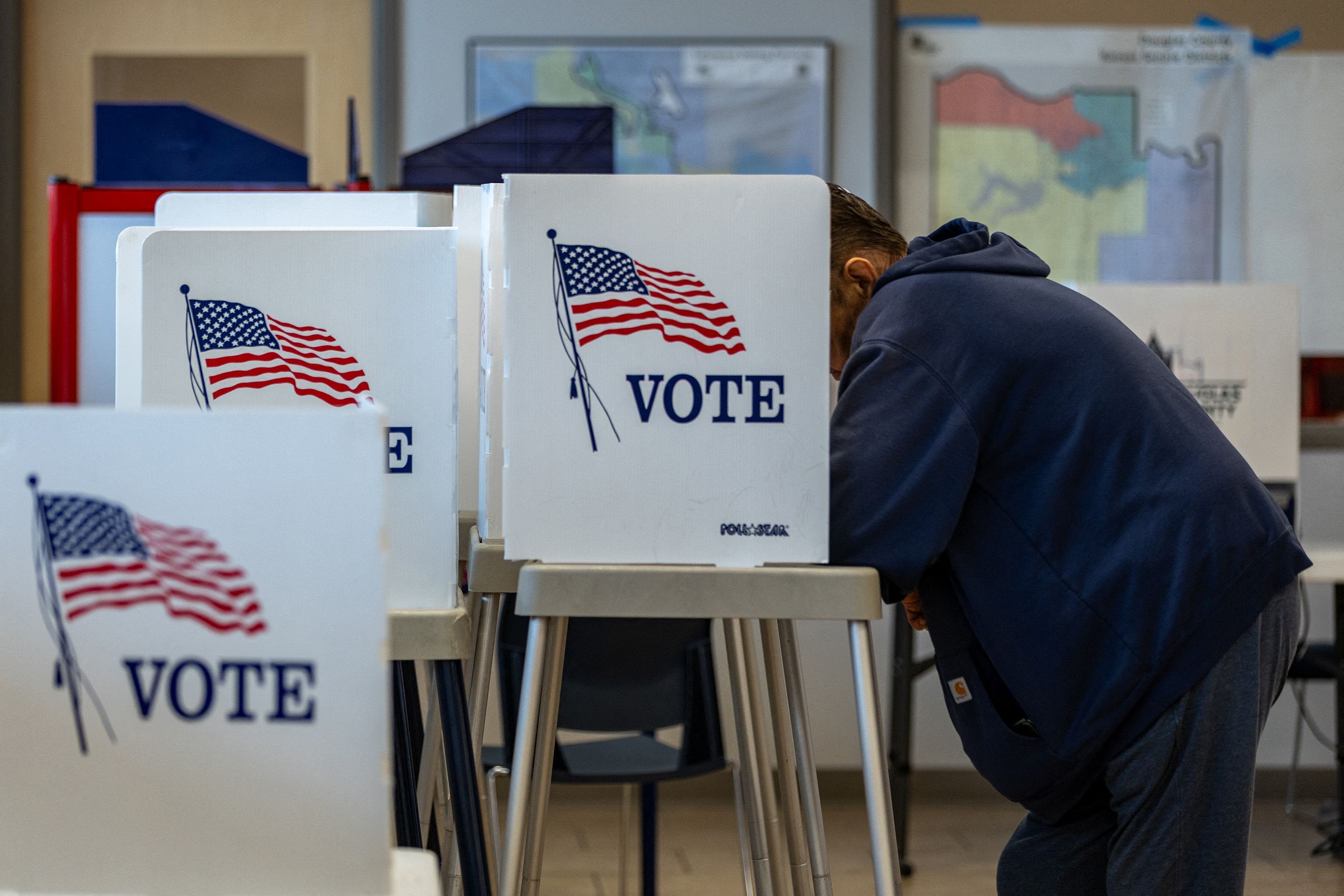
With the election day fast approaching, candidates are ramping up their campaigns. Town halls, debates, and rallies fill the calendar as voters weigh their options. The Texas governor’s race serves as a reminder of the significant role that local elections play in shaping the future of technology.
As voters head to the polls, they are not just casting ballots for their preferred candidate; they are making decisions that will impact the trajectory of artificial intelligence in Texas. The outcome will resonate far beyond the state’s borders, influencing how the nation navigates the complexities of technology and regulation.
In the coming weeks, the results of this election will be analyzed and dissected. Regardless of the outcome, it is clear that the Texas governor's race is a make-or-break contest for a wobbling AI trade, with consequences that will reverberate throughout the tech industry. The broader community will be watching closely, eager to see how the new administration will handle the pressing issues of AI ethics, workforce development, and investment in education. As Texas stands at this crossroads, the decisions made now could define its role in the global tech landscape for years to come.
By Katherine Langford

By Marcus Chen

By Marcus Chen
By Marcus Chen